All About Score Study: Learn Music Faster Without Your Instrument

Score study is a great way to practice without your instrument. This style of practice is pretty much exactly what it sounds like: studying the score (sheet music) of the piece you’re learning in order to get to know it better.
Today we’ll talk through how to practice score study, along with a few of my own tips and tricks.
WATCH THE VIDEO
This post contains affiliate links. If you make a purchase through one of the links in this post, I may make a small commission. Thank you for supporting my free content!
Table of Contents
How to Practice Score Study
Below are my tips to practice score study effectively!
Get the score/sheet music

First, you’ll want to get the sheet music or even the full score of the music you want to research. If you already have the sheet music, it’s sometimes helpful to do your score study on a second copy so that the version you practice on isn’t too cluttered with thoughts.
Get the basic details
Once you have the music, get an overview of the basic details, like the composer, time period it was written in, and the key and time signatures. It’s almost like sightreading: find the basic, foundational information first.
Structure
The next bit of information I like to look at is the structure of the music itself. What is its form (ABA, Rondo, Sonata-Allegro)? How many movements are there? Are there any key changes?
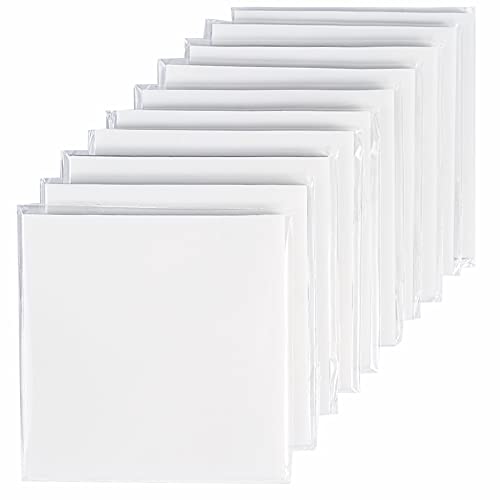
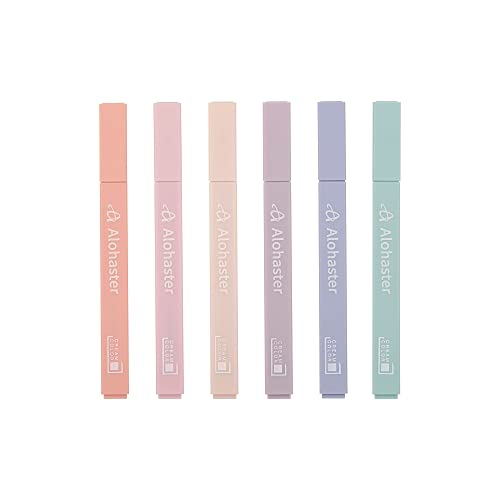
It can be helpful to highlight the changes, write the form at the beginning of each movement, or use sticky tabs to point out the section changes.
Knowing this information helps you gain a bigger picture, and it can also help you divide the music into smaller chunks that are easier to practice.
Go more in depth
Now let’s start to think further. What’s the melody of this particular piece or movement? Does it come back later, and does it ever modulate?
Are there any rhythmic patterns or an ostinato? What textures do you see/hear? What’s the mood of the music, and does it change?
If this is an ensemble piece, think of your part: how does it relate to everything that’s going on? Do you have the melody often; are there any very important solos; are you playing the bass line?
Dynamics and articulation

The next thing I like to do is look at the dynamics and articulation. Every composer has a different writing style: some composers mark every single type of sound and articulation they’d like to hear, while other composers are more abstract. Get to know this particular composer’s writing style when it comes to articulations.
Orchestration
If you’re studying a piece for an ensemble or duo, take a look at all the parts and how they work together. Does the composer typically group certain instruments together?
In string quartets, you might notice that the first violin and cello correspond, and the second violin and viola coordinate often. This is a really standard way of writing, and creates smaller groupings and a conversational feel to the music.
If you’re looking at a duet, the music might go back and forth between who has the melody and who has the harmony.
Historical Research
To gain a better perspective of the music, research the composer and any background information you can find about this particular piece.
Knowing where the composer is from, when they lived, and other music they’ve written can help you better understand and play the music you’re working on!
Some pieces are full of history and have intricate stories attached, from the way it was written, to the premiere, to public reception. Understanding the circumstances the piece was written in can help you better empathize with the composer and understand what the music is saying.
Listen
When I do score study, I usually like to put on a recording of the piece. This helps keep me from getting distracted and lost in the music, and it also helps to learn it quicker.
By putting on a recording, you can hear how it might “typically” be performed, and listening to various recordings will help you hear how some performers might play the same music differently.
Annotating Tips
I’ve recently gotten into annotating fiction books. I love seeing tabs throughout my favorite books, and being able to quickly find my favorite moments and quotes. Below are some of my favorite annotation tools that I use for both books and sheet music.

If you happen to be practicing score study on a pdf within forscore, you can easily do this off your practice copy by using layers. You can add layers to write either things you don’t want to be able to erase, or to write things that you can hide later on when you’re practicing.
Watch this quick reel I made explaining how this works:
When to Practice Score study
Score study is a great way to practice silently, without your instrument. If you either don’t have access to your instrument, or can’t make noise, this is a great way to practice!
Practicing score study is also a great way to start learning a new piece of music; it gives you a good idea of how to get started. I’ve noticed – both with myself and with my students – that we sometimes feel paralysis when we start learning something new, because we simply don’t know where to start.
This is also a helpful way to practice if you need to learn something quickly for a gig. Another benefit, even if you’re not in a rush, is that practicing score study will just help you learn the music faster!
Another great time to use score study is if you’re revisiting an older piece that you learned long ago. Listening to the music and reading the score is a great way to re-familiarize yourself with it!
I hope this deep dive into score study helps you practice and learn your music in a deeper way. Learning this skill has really helped me internalize the music I play!

Discover more from Life from the Viola Section
Subscribe to get the latest posts sent to your email.